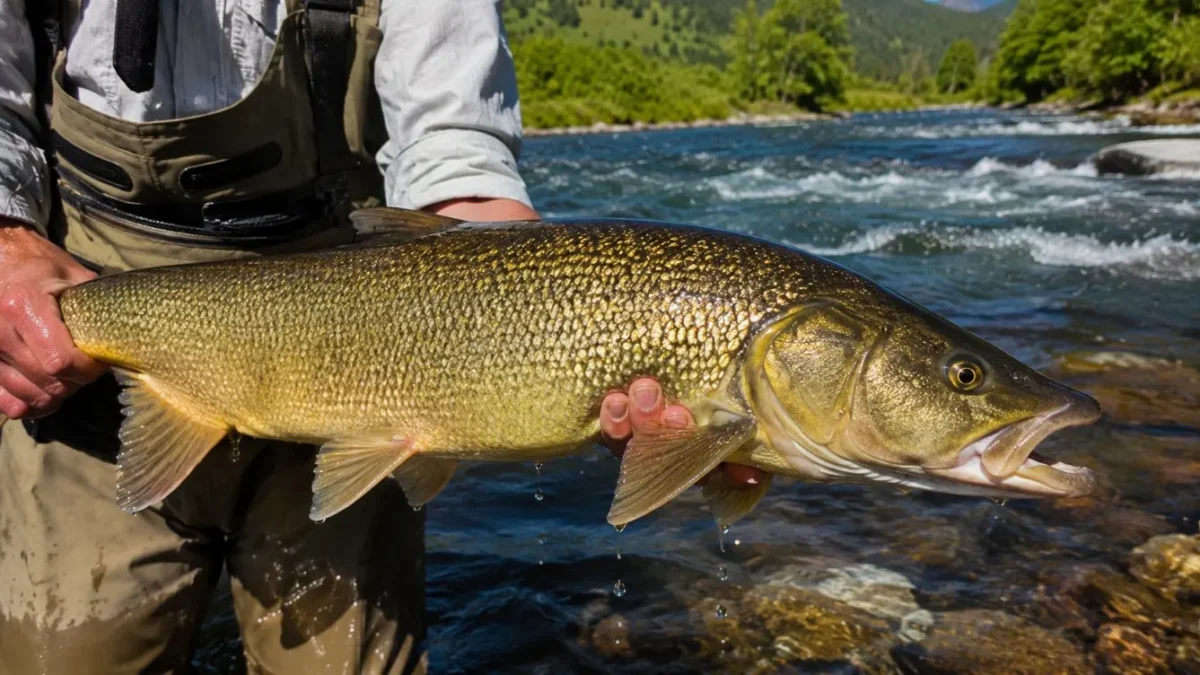
Are you looking for how to catch Pikeminnow? The best Pikeminnow fishing spots? Northern Pikeminnow don’t get much attention until anglers find out the state pays cash for every one you catch. As a zoologist, what struck me first wasn’t the reward money — it was that a single native fish can eat enough juvenile salmon to justify a whole government-funded removal program. That’s the kind of predator-prey math worth understanding before you even cast a line.
If you’re new to this fish, you’re not alone. Most anglers who search for pikeminnow have never targeted them on purpose before — they heard about the bounty and want to know if it’s real and how to actually get in on it.
Here’s what this guide covers:
- Answers to the questions people ask most
- What a pikeminnow actually is, and why it’s not “invasive”
- Four proven ways to catch one (bait, lure, drift, night fishing)
- Exact rig and tackle specs, not vague suggestions
- Where and when do pikeminnow actually feed
- What the 2026 bounty really pays, with real season numbers
How to Catch Pikeminnow: To catch Northern Pikeminnow, fish worms, chicken liver, or cut bait on a sliding sinker rig in 7 to 25 feet of water near dam tailwaters, rocky points, and river bends. Sunrise, sunset, and night produce the most fish, since pikeminnow move into shallow water to feed during low-light hours.
What is a Pikeminnow?
The Pikeminnow (formerly called squawfish) is a native freshwater predator in the Pacific Northwest, especially in the Columbia and Snake Rivers. The most notable species is the Northern Pikeminnow (Ptychocheilus oregonensis), which can grow over 24 inches long and weigh more than 5 pounds.
These fish thrive in slow-moving rivers, reservoirs, and dam tailwaters. Their diet includes insects, smaller fish, and most importantly—juvenile salmon. Because pikeminnows consume millions of young salmon each year, they are a major threat to salmon recovery efforts in the Columbia River Basin.
To manage this, the Pikeminnow Sport Reward Program 2025 pays anglers cash rewards for catching them. By targeting pikeminnows, you not only enjoy exciting fishing but also contribute directly to salmon conservation. Now we discuss the methods for catching Pikeminnow.
Method #1: Bait Fishing with Worms and Chicken Liver

One of the most effective ways to catch Northern Pikeminnow is bait fishing. The most productive baits include:
- Hook Size: No 2, weight range (½ oz to 2 oz)
- Nightcrawlers (worms): A classic choice, easy to use.
- Chicken liver: Considered the top bait for bigger fish.
- Cut bait (small fish pieces): Mimics their natural prey.
👉 Pro Tip: Use a sliding sinker rig to keep your bait near the river bottom, especially in slow currents or rocky areas.
Method #2: Lure Fishing for Active Pikeminnow

If you’re wondering how to fish for Northern Pikeminnow with lures, try these proven options:
- Small crankbaits that look like juvenile salmon.
- Soft plastics such as curly-tail grubs.
- Inline spinners for flash and vibration.
Target areas with rocks, drop-offs, and submerged structures. Retrieve slowly with pauses to trigger strikes.
Method #3: Drift Fishing in the Columbia River

If you want to know how to catch pikeminnow in the Columbia River, drift fishing is one of the most effective methods.
- Cast upstream.
- Let your bait drift naturally with the current.
- Keep contact with your line to detect strikes.
This method works best near dam tailwaters, river bends, and areas with vegetation.
Method #4: Night Fishing for Trophy Pikeminnow

Pikeminnow night fishing is a secret weapon for catching larger fish. At night, these predators feed more actively and move closer to shore. Use:
- Glow-in-the-dark lures or beads.
- Scented baits like chicken liver for long-range attraction.
- Heavier rigs to anchor bait in deeper waters.
Hotspots include bridge pilings, riprap, and dock areas.
Low-light feeding behavior, explained biologically: Pikeminnow are ambush predators that rely on contrast and shadow to strike prey. During bright daylight, juvenile salmon (their main prey of pikeminnow) school tightly and stay visible in open water, making them harder to isolate. At dawn, dusk, and night, smolts scatter into shallower water to feed themselves — and that’s exactly when pikeminnow follow them in. This is why WDFW-affiliated sources report the highest catch concentrations in shallow water during low-light hours.
If you’re interested in learning about similar freshwater predators, check out our guide on: Red Claw Crab Diet
What Actually Happens If You Get the Rig Wrong
Most first-time pikeminnow anglers lose their bait rather than lose the fish. If your sinker is too light for the current, your bait drifts out of the strike zone before a pikeminnow ever finds it — you’ll fish for an hour and swear the river is empty. If it’s too heavy, you lose bottom feel and miss the subtle taps pikeminnow give before committing to a bite; most anglers describe it as more of a soft pull than a hard strike, and a rig that’s too stiff simply won’t transmit that. Match your sinker weight to the current (half an ounce in slow water, up to two ounces near dam tailwaters) before you blame the spot.
Pikeminnow Fishing Rules & Maps
Before heading out, it’s important to know the Pikeminnow fishing rules:
- Season: Usually runs from May through September.
- Registration: Required daily at official check stations for rewards.
- Maps: Official Pikeminnow fishing maps show reward zones.
- Licensing: A valid state fishing license is required.
Fishing only in designated areas ensures your catch qualifies for the bounty program.
It includes Columbia River, Snake River, and Willamette River hotspots, plus tips for using the maps.
Pikeminnow Bounty & Reward Program 2026
The Pikeminnow Bounty 2026 Program rewards anglers for reducing pikeminnow numbers. The season usually runs from May through September. This will start early at four locations – The Dalles, Columbia Point, Umatilla, and Washougal stations — along the Columbia River in 2026. Here’s what you can earn:
- $6 to $10 per fish depending on the size.
- The payout changes from Tier 1 to Tier 3, depending on the number of fish caught.
- Special tagged fish worth $500 each.
To participate:
- Register daily at a check station.
- Catch fish in eligible zones.
- Turn in your catch for rewards.
This program makes fishing both profitable and conservation-focused.
Pikeminnow Bait: Best Options
While chicken liver is the #1 bait, other good choices include:
- Nightcrawlers
- Anchovy chunks
- Shrimp pieces
- Artificial lures with scent attractants
Strong-smelling bait increases success, especially in murky or fast-moving water.
Are Pikeminnow Invasive?
No, pikeminnow are not invasive. They are native to the Columbia River Basin. However, due to their heavy predation on young salmon, anglers are encouraged to catch as many as possible under the bounty program.
FAQs on Pikeminnow Fishing
Q1. How do I catch pikeminnow as a complete beginner?
Rig a medium spinning rod with 6–10 lb line, a sliding sinker, and a No. 2 hook baited with a nightcrawler or chicken liver. Fish near rocky banks or dam tailwaters in 7–25 feet of water, and be patient — pikeminnow move in schools, so slow periods are normal.
Q2. What time of day is best for pikeminnow?
Sunrise, sunset, and full night produce the most consistent catches. Pikeminnow move into shallow water to feed on smolts during low-light hours, so midday fishing in bright, clear water is usually the slowest window.
Q3. How much does the pikeminnow bounty actually pay in 2026?
In the most recent full season, rewards started at $6 per fish for the first 25 caught, rose to $8 for fish 26–200, and $10 for every fish beyond 200, with specially tagged fish worth $500 each. Rates can shift year to year, so confirm current tiers at pikeminnow.org before you register.
Q4. How to fish for pikeminnow in strong currents?
Drift fishing with heavier sinkers is best. Target backwaters and dam tailraces.
Q5. What is the best bait for pikeminnow?
Chicken liver is most effective, followed by worms and cut fish.
Q6. Can I catch pikeminnow at night?
Yes. Night fishing often brings larger catches. Use glow lures or scented bait.
Q7. Why is there a Pikeminnow Reward Program?
Because pikeminnow eat millions of salmon smolts each year. The program helps reduce their impact and supports salmon recovery.

Next Steps: Resources You Should Read Next
- Trout Fishing Setup for Beginners — the same rig logic, applied to a different river fish
- Best Bait to Use for Trout Fishing — if bait fishing is new to you, start here
- Types of Fishing Tools and Their Uses — get your tackle box sorted before your next trip
Final Thoughts
Now you know exactly how to catch pikeminnow using 4 proven methods—bait fishing, lure fishing, drift fishing, and night fishing. Whether you’re a complete beginner searching for how to catch northern pike minnows or an experienced angler perfecting how to fish for pikeminnow, these strategies will give you an edge.
With the right bait, techniques, and knowledge of Columbia River rules and maps, you can turn your fishing trips into both an adventure and a rewarding experience—literally.
Was this guide helpful?
First-Hand Experience
Based on animals I've personally kept and bred - not summarized from other articles.
Zoological Foundation
Claims are checked against my M.Sc. Zoology training and published aquatic biology research, not recycled aquarium myths.
No Paid Influence
No sponsorship shaped this guide. Affiliate links, if any, are disclosed separately and never hidden.
Kept Current
Errors are corrected as soon as they're found, with the update noted at the bottom of the article.

Anil Satak M.Sc. Zoology · Founder, FishioHub
Grew up in a fishing family in India and holds a Master's in Zoology. FishioHub is a one-person operation - every guide is personally researched, kept-tested, and written by Anil. No team, no outsourced writers, no AI-generated content. Read his full bio →