Fluke, often called summer flounder, is one of the most common inshore fish on the U.S. East Coast. Although it’s widely caught and sold, those less familiar with it often have questions: Is fluke fish good to eat? What does it taste like, and is it actually safe?
I was curious about summer flounder, so during my research, I discovered some of its hidden benefits, as well as some side effects. Despite being a beginner-friendly fish, the health benefits are something everyone should know about.
What You’ll Get in This Post
Here’s exactly what I’m covering (quick and helpful):
- 🐟 What is fluke fish actually?
- 😋 What fluke tastes like
- ✅ Is fluke good to eat?
- 💪 Benefits of eating fluke
- ⚠️ Side effects & who should avoid it
- 🧪 Mercury level & safety
What Is Fluke Fish?
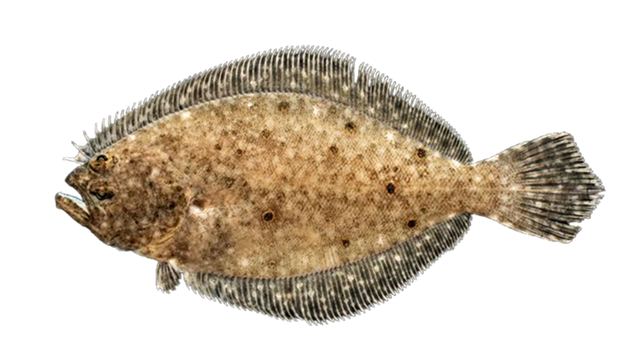
The fluke (Paralichthys dentatus) is a flatfish species found primarily along the Atlantic coast of the USA, particularly from North Carolina to Massachusetts. Because it becomes more active during the warmer months, anglers often call it summer flounder, making it easier to catch during that time. Many readers ask me one thing again and again: Is fluke fish good to eat? Lets find the answer.
Distinctive features of the fluke include:
- The fish has a flat, oval-shaped body
- Both eyes are located on the same side, one above the other
- A light-colored belly and a darker underside for camouflage
- Known for its high speed and vigorous head movements
- A popular fish caught in bays, shallows, and along sandy bottoms
Fluke is very similar to flounder, but its flavor is slightly sweeter, and its texture is firmer. This is one reason it is widely used in restaurants, sushi bars, and home kitchens.
Is Fluke Fish Good to Eat?
Yes, fluke fish is absolutely delicious, and it’s one of the cleanest-tasting white fish that’s a favorite in the USA. When it comes to its taste, it doesn’t have a strong odor, cooks quickly, and is suitable for almost any type of cooking.
Why fluke is a great choice:
Fluke fish has a mild flavor, a soft, salmon-like texture, and a low fat and mercury content, which means it’s completely safe and easy to digest. If someone wants simple, light, and restaurant-quality fish, fluke is one of the best options. So if you’re still thinking: Is fluke fish good to eat? Yes—especially if you enjoy light, tender fillets that cook perfectly in butter.
📦 Fluke Fish Nutrition Facts 100g — Check Full Chart
Get the complete Fluke Fish Nutrition Facts (per 100g), including calories, protein, omega-3, vitamins, and minerals.
Perfect if you want to compare nutrients before choosing the best fish for your diet.
What Does Fluke Fish Taste Like?
Fluke fish has a mild, slightly sweet, and clean flavor. The best part is that it doesn’t have a strong “fishy” smell, making it a favorite even for first-time seafood eaters.
Taste Highlights:
- Soft, white, flaky flesh
- Slightly sweet, like tilapia or flounder
- Absorbs spices well
- Excellent for pan-searing, frying, baking, or sushi
Many high-end sushi restaurants use fluke (hirame) for sashimi because of its buttery texture. It’s a favorite among many, making it a highly sought-after fish, and it’s also expensive. The question “Is fluke fish good to eat?” keeps trending in the USA seafood category, mostly because people want a safe and tasty fish for weekly meals.
Fluke Fish Benefits
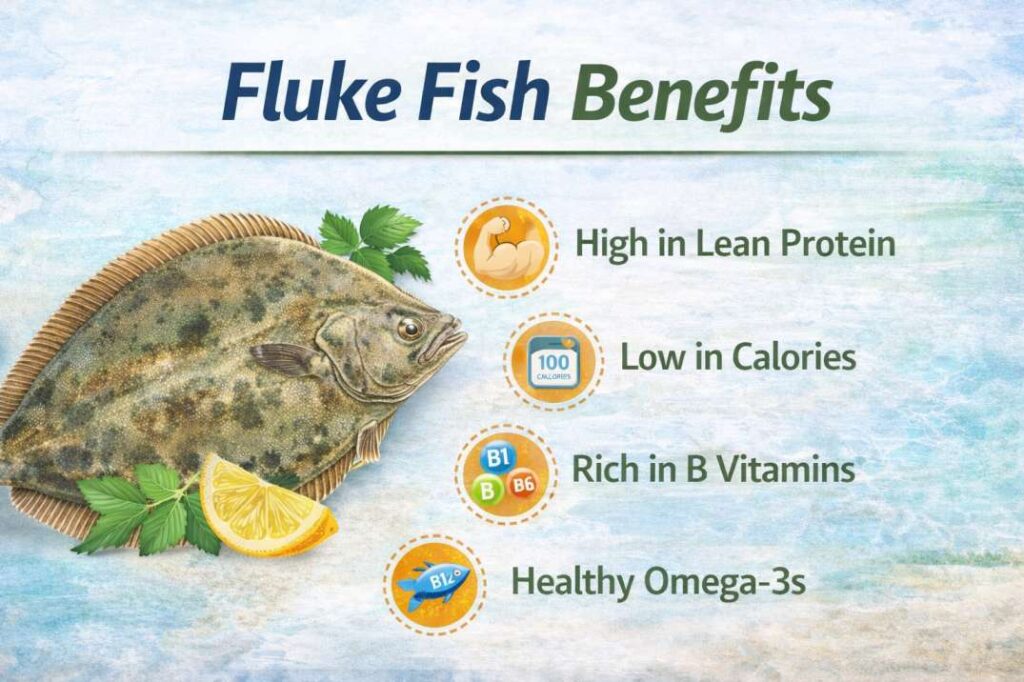
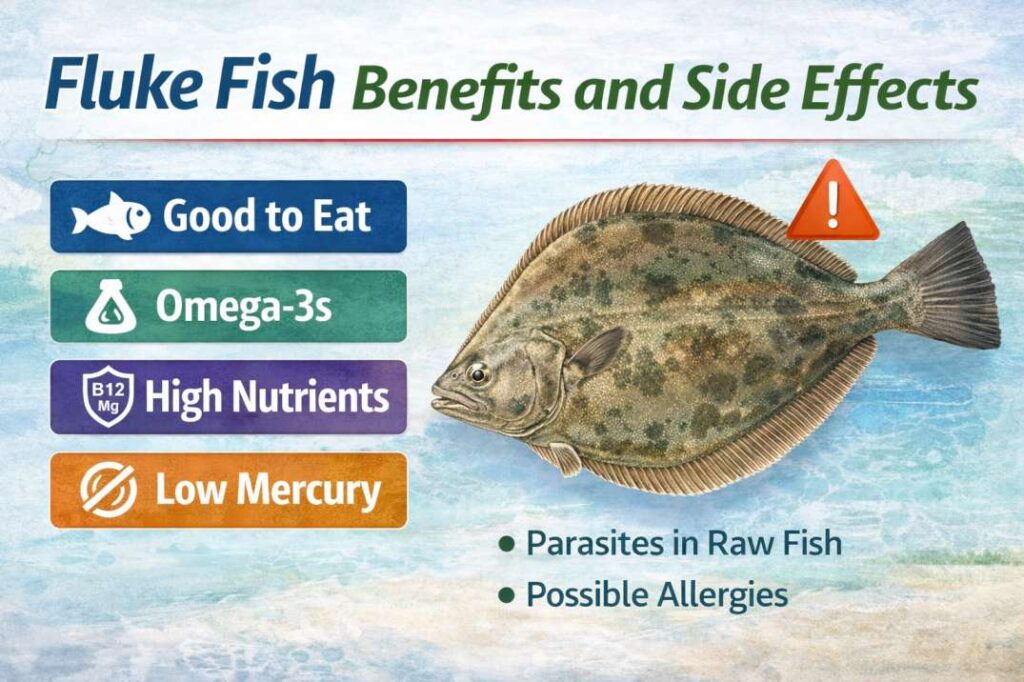
You might wonder if fluke fish is expensive, so what are its benefits and importance? Here are the five most important benefits of fluke fish, in my opinion:
1. High-Quality Lean Protein
This protein helps with muscle growth, recovery, and energy for anyone looking to build muscle.
2. Good Omega-3 Source
It helps reduce inflammation and supports brain and heart health.
3. Rich in Essential Vitamins & Minerals
Fluke fish nutrition facts reveal that fluke contains:
- Vitamin B12
- Magnesium
- Selenium
- Niacin
- Phosphorus
These nutrients support immunity, bone strength, and metabolism.
4. Low Mercury Level
It contains low levels of mercury. Safer than larger predators like tuna, mahi-mahi, king mackerel, etc.
5. Easy to Digest
Like fluke, it’s light to digest. It’s ideal for children, the elderly, and anyone who prefers a milder fish.
Fluke Fish Side Effects
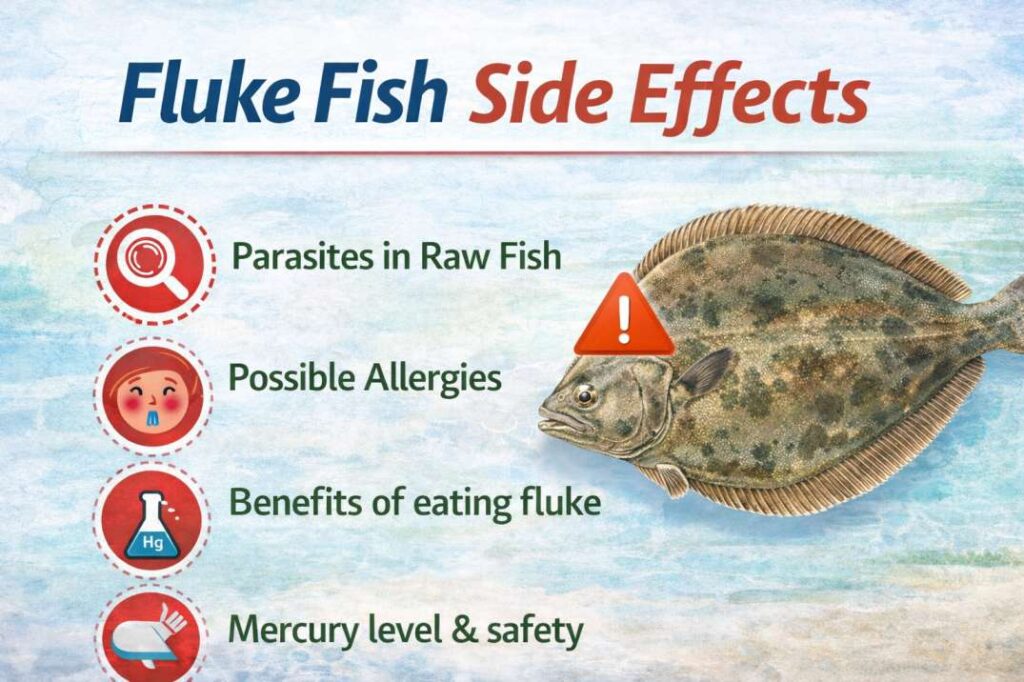
Fluke fish is generally very safe, but here are some important considerations:
1. Parasites in Raw Fish
All wild fish can contain parasites. Therefore, it should be cooked fresh or, if used for sushi, properly frozen to kill them.
2. Fish Allergies
It is common knowledge that those with seafood allergies should avoid fluke.
3. Environmental Contaminants (Low but Possible)
Buy from clean, chemical-free, reliable water sources—such as New Jersey, New York, Rhode Island, and Massachusetts—which have clean stock.
4. Moderate Cholesterol Content
Those on a cholesterol-control diet should pay close attention to portions. Overall, fluke has very few side effects compared to many saltwater species.
Is Fluke Fish High in Mercury?
No — fluke has low mercury levels.
Many people’s primary concern is mercury levels. If consumed in appropriate amounts, it is safe to eat regularly on a weekly basis.
Safe intake guide:
- Adults: 2–3 servings/week
- Pregnant women: 1–2 servings/week
- Kids: 1 serving/week
Because fluke fish grow rapidly and are not large predators, mercury accumulation is low. This makes this fish quite safe.
How to Cook Fluke for the Best Flavor

Fluke cooks quickly and gives a great taste with simple ingredients. In my experience, whenever someone asks “Is fluke fish good to eat,” I always recommend it for beginners who prefer a mild, non-fishy flavor.
Is fluke fish good to eat when pan-fried?
Yes—fluke becomes buttery, golden, and flaky when pan-fried. Butter, garlic, and lemon bring out its best flavor. Butter, garlic, and lemon — that’s your formula for a perfect golden fillet.
Baked Fluke:
Olive oil, herbs, and mild spices for a clean flavor.
Crispy Fluke Fry
Thin flour coating creates a perfect crunch.
Is fluke fish good to eat raw in sushi or sashimi?
Yes, many people enjoy fluke raw. Just make sure it’s sushi-grade and sourced fresh from a reliable seller. Use only sushi-grade, properly frozen fish.
Grilled Fluke
Works best with thicker fillets to avoid breaking.
FAQ – Fluke Fish (People Also Ask)
1. Is fluke fish good to eat for beginners?
Yes, fluke is perfect for beginners. Its mild, clean, and slightly sweet flavor makes it ideal for anyone who doesn’t like strong fishy taste.
2. Is fluke fish good to eat compared to flounder?
Fluke is a type of flounder, but many seafood lovers prefer fluke because it’s cleaner, softer, and cooks evenly.
3. Is fluke fish high in nutrients?
Yes, it’s rich in protein, omega-3s, B vitamins, magnesium, and selenium.
4. Is fluke safe for pregnancy?
In moderation, yes. Fluke is a low-mercury fish, but pregnant women should still follow weekly limits.
5. How big do fluke get?
Most range from 1–4 lbs, but larger fluke can reach 10 lbs or more.
Conclusion
Fluke fish is a mild, nutritious, and low-mercury option for anyone who wants a clean-tasting white fish. The benefits strongly outweigh the side effects, and it fits perfectly into my daily diet. Now you should decide according to your goal to eat.
If you enjoy light seafood that’s versatile and safe, fluke is one of the best choices.