
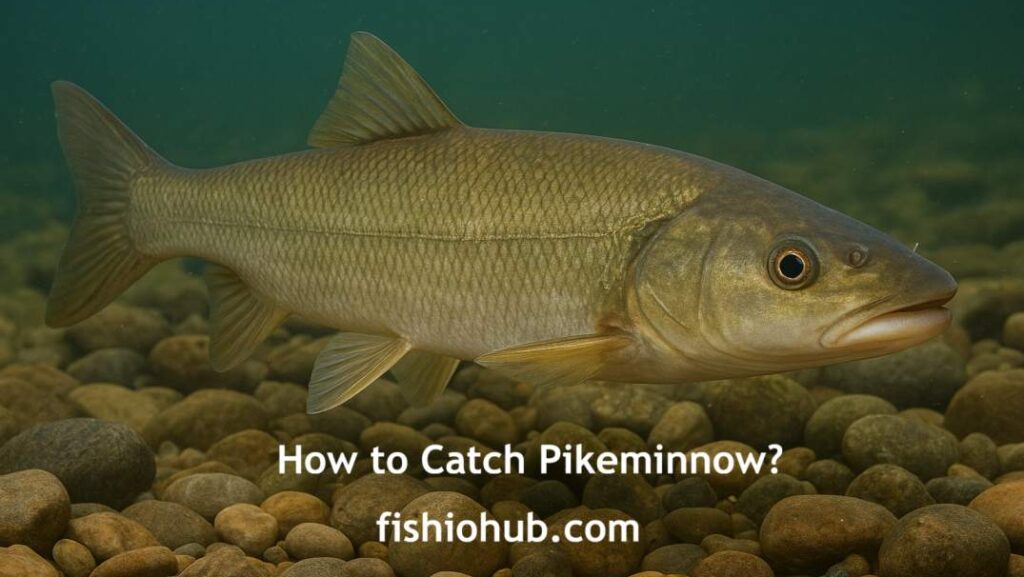
Are you looking for How to catch Pikeminnow? the best Pikeminnow fishing spots? This guide brings you a detailed look at Pikeminnow fishing maps covering the Columbia River, Snake River, and other hotspots across the Pacific Northwest.
Whether you prefer bank fishing, boat fishing, or specialized methods like trolling and drifting, knowing the right locations is key to success. To make it easier, we’ve included a downloadable PDF map of Pikeminnow fishing areas that highlights hotspots, boat ramps, and access points—helping you plan your trip more effectively.
We have given 4 proven methods that every angler should know.
What is a Pikeminnow?
The Pikeminnow (formerly called squawfish) is a native freshwater predator in the Pacific Northwest, especially in the Columbia and Snake Rivers. The most notable species is the Northern Pikeminnow (Ptychocheilus oregonensis), which can grow over 24 inches long and weigh more than 5 pounds.
These fish thrive in slow-moving rivers, reservoirs, and dam tailwaters. Their diet includes insects, smaller fish, and most importantly—juvenile salmon. Because pikeminnows consume millions of young salmon each year, they are a major threat to salmon recovery efforts in the Columbia River Basin.
To manage this, the Pikeminnow Sport Reward Program 2025 pays anglers cash rewards for catching them. By targeting pikeminnows, you not only enjoy exciting fishing but also contribute directly to salmon conservation. Now we discuss the methods for How to catch Pikeminnow?
Method #1: Bait Fishing with Worms and Chicken Liver

One of the most effective ways to catch Northern Pikeminnow is bait fishing. The most productive baits include:
- Nightcrawlers (worms): A classic choice, easy to use.
- Chicken liver: Considered the top bait for bigger fish.
- Cut bait (small fish pieces): Mimics their natural prey.
👉 Pro Tip: Use a sliding sinker rig to keep your bait near the river bottom, especially in slow currents or rocky areas.
Method #2: Lure Fishing for Active Pikeminnow

If you’re wondering how to fish for Northern Pikeminnow with lures, try these proven options:
- Small crankbaits that look like juvenile salmon.
- Soft plastics such as curly-tail grubs.
- Inline spinners for flash and vibration.
Target areas with rocks, drop-offs, and submerged structures. Retrieve slowly with pauses to trigger strikes.
Method #3: Drift Fishing in the Columbia River

If you want to know how to catch pikeminnow in the Columbia River, drift fishing is one of the most effective methods.
- Cast upstream.
- Let your bait drift naturally with the current.
- Keep contact with your line to detect strikes.
This method works best near dam tailwaters, river bends, and areas with vegetation.
Method #4: Night Fishing for Trophy Pikeminnow

Pikeminnow night fishing is a secret weapon for catching larger fish. At night, these predators feed more actively and move closer to shore.
Use:
- Glow-in-the-dark lures or beads.
- Scented baits like chicken liver for long-range attraction.
- Heavier rigs to anchor bait in deeper waters.
Hotspots include bridge pilings, riprap, and dock areas.
“If you’re interested in learning about other freshwater predators, check out our guide on [Red Claw Crab Diet].”
How to Catch Northern Pike Minnows (Beginner-Friendly Guide)
If you’re new to fishing, here’s a simple step-by-step approach for learning how to catch northern pike minnows:
- Use a medium spinning rod (6–7 ft).
- Rig with 6–10 lb line and a sliding sinker setup.
- Bait with worms, chicken liver, or cut fish.
- Fish near rocky banks, slow pools, and dam tailwaters.
- Be patient—once pikeminnow schools arrive, you’ll get steady action.
Pikeminnow Fishing Rules & Maps
Before heading out, it’s important to know the Pikeminnow fishing rules:
- Season: Usually runs from May through September.
- Registration: Required daily at official check stations for rewards.
- Maps: Official Pikeminnow fishing maps show reward zones.
- Licensing: A valid state fishing license is required.
Fishing only in designated areas ensures your catch qualifies for the bounty program.
It includes Columbia River, Snake River, and Willamette River hotspots, plus tips for using the maps.
Pikeminnow Bounty & Reward Program 2025
The Pikeminnow Bounty 2025 Program rewards anglers for reducing pikeminnow numbers. Here’s what you can earn:
- $5 to $10 per fish depending on the size.
- Special tagged fish worth $500 each.
To participate:
- Register daily at a check station.
- Catch fish in eligible zones.
- Turn in your catch for rewards.
This program makes fishing both profitable and conservation-focused.
Pikeminnow Bait: Best Options
While chicken liver is the #1 bait, other good choices include:
- Nightcrawlers
- Anchovy chunks
- Shrimp pieces
- Artificial lures with scent attractants
Strong-smelling bait increases success, especially in murky or fast-moving water.
Are Pikeminnow Invasive?
No, pikeminnow are not invasive. They are native to the Columbia River Basin. However, due to their heavy predation on young salmon, anglers are encouraged to catch as many as possible under the bounty program.
FAQs on Pikeminnow Fishing
Q1. How to catch northern pike minnows for beginners?
Start with worms or chicken liver on a simple rig near shoreline rocks or slow pools.
Q2. How to fish for pikeminnow in strong currents?
Drift fishing with heavier sinkers is best. Target backwaters and dam tailraces.
Q3. What is the best bait for pikeminnow?
Chicken liver is most effective, followed by worms and cut fish.
Q4. Can I catch pikeminnow at night?
Yes. Night fishing often brings larger catches. Use glow lures or scented bait.
Q5. Why is there a Pikeminnow Reward Program?
Because pikeminnow eat millions of salmon smolts each year. The program helps reduce their impact and supports salmon recovery.

Final Thoughts
Now you know exactly how to catch pikeminnow using 4 proven methods—bait fishing, lure fishing, drift fishing, and night fishing. Whether you’re a complete beginner searching for how to catch northern pike minnows or an experienced angler perfecting how to fish for pikeminnow, these strategies will give you an edge.
With the right bait, techniques, and knowledge of Columbia River rules and maps, you can turn your fishing trips into both an adventure and a rewarding experience—literally.
Hey there! Would you mind if I share your blog with my twitter group? There’s a lot of folks that I think would really enjoy your content. Please let me know. Cheers
Absolutely, I’d be happy for you to share it! Just make sure it links back to my blog. Thanks for spreading the word!