Crab is one of my favorite dishes. When I have to choose a good crab species, such as sea crab or mud crab, I consider their nutritional value and taste. Both crabs are nutrient-rich, tasty, excellent for health, and very popular.
However, when it comes to Sea Crab vs Mud Crab, Which One is Healthier & Better to Eat?, their nutritional benefits and disadvantages slightly differ. We need to understand what factors should be considered when choosing which one for our diet.
This post is intended to help you understand the difference between sea crab and mud crab and help you make the right choice for your dish based on your needs.
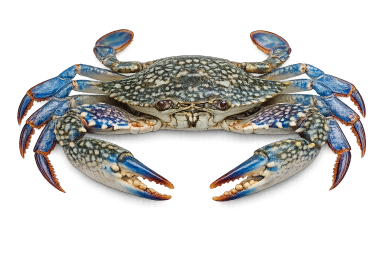
Sea crabs are found in salty ocean waters, where waves, rocks, and currents shape their lifestyle. Because they feed on algae, small fish, and sea debris, their meat is clearer, sweeter, and slightly salty. Therefore, sea crabs are perfect for steaming, light curries, and coastal-style recipes that showcase their natural ocean freshness.
Mud Crab 🦀
mud crab vs sea crab
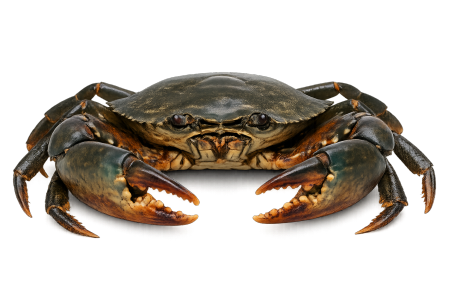
Mud crabs grow in muddy, brackish mangrove waters — giving them a heavier body, massive claws, and a rich, bold flavor. Their diet of mollusks, worms, and organic matter creates meat that’s denser and more flavorful than most sea crabs. If you love intense taste and thick, satisfying bites, mud crabs shine in spicy gravies, butter-pepper fry, and restaurant-style dishes.
Sea Crab vs Mud Crab — Quick Overview
Category
Sea Crab
Mud Crab
Habitat
Open sea, coastal waters
Mangroves, estuaries
Taste
Sweet, delicate
Rich, meaty
Availability
Widely available in the USA and Asia
Mostly Asia & Indian coasts
Size
Medium (500–1000g)
Large (up to 2kg)
Cooking Style
Boiled, steamed, and curried
Steamed, spicy curries, grilled
Mud Crab is heavier, meatier, and preferred in Indian-style curries, while Sea Crab is lighter and sweeter, great for boiling or steaming.
Nutritional Comparison (per 100g)
Nutrients
Sea Crab Nutrition Facts
Mud Crab Nutrition Facts
Calories
87 kcal
89 kcal
Protein
18.1 g
18.3 g
Fat
1.1 g
1.2 g
Carbs
0 g
0 g
Omega-3
0.32 g
0.29 g
Zinc
4.7 mg
5.3 mg
Selenium
36.4 µg
39 µg
Calcium
107 mg
100 mg
Iron
0.8 mg
0.9 mg
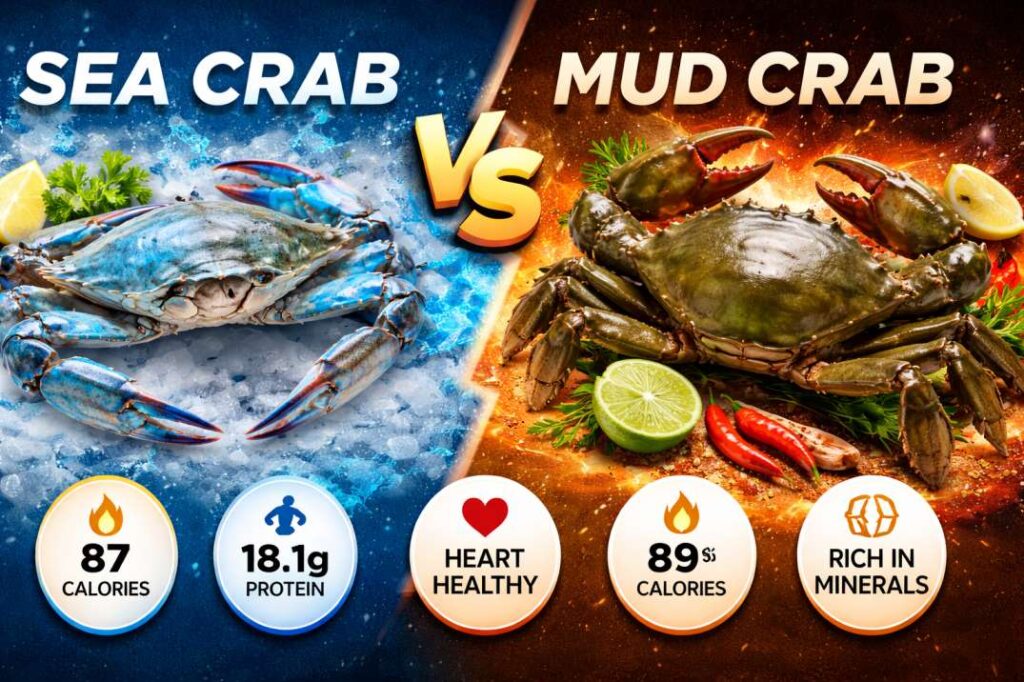
✅ In terms of nutrition, sea crab vs mud crab offers similar protein levels, but mud crabs often provide bigger, denser meat portions. Both crabs are high in protein, low in fat, and excellent sources of minerals like zinc and selenium. Mud Crab slightly leads in minerals, while Sea Crab has a slightly lower calorie content.
Top 5 Health Benefits
Sea Crab Benefits
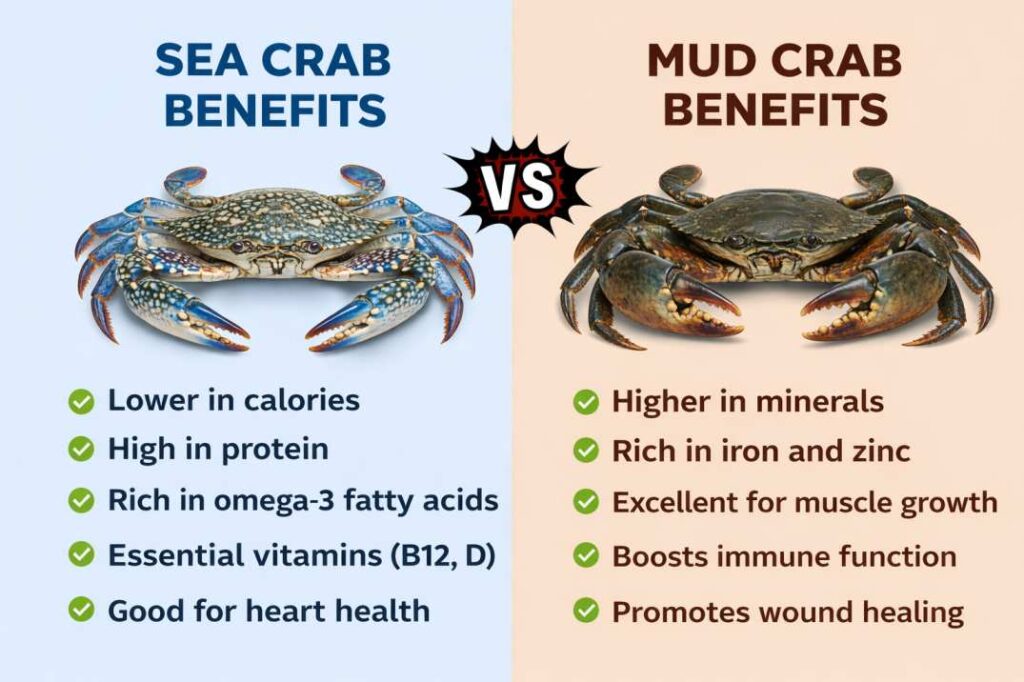
🫀 Heart-Friendly: Low-fat and rich in omega-3 for best heart health.
💪 Muscle Support: High protein helps repair and build strong muscles.
🧠 Brain Boost: Omega-3 fatty acids support cognitive function.
🛡️ Immune Support: Zinc and selenium strengthen immunity of body.
⚖️ Weight-Friendly: Low-calorie seafood is great for weight management.
Mud Crab Benefits
🥩 Protein Powerhouse: Meatier than Sea Crab, ideal for active lifestyles.
💊 Mineral-Rich: High in zinc and iron for immunity and more energy.
🦴 Bone Support: Calcium and phosphorus aid bone strength in the body.
🍲 Rich Taste: Makes curries and spicy dishes more flavorful & satisfying.
When comparing sea crab vs mud crab, you look at the nutrition and benefits of both crabs; mud crab is slightly better than sea crab. If you’re a fan of strong and spicy flavors, you’ll definitely find mud crab preferable.
Side Effects & Precautions
Allergy Risk: Both crabs are shellfish, so avoid eating them if you have an allergy.
High Sodium: Eating highly spiced crab can increase sodium levels in the body.
Purine Content: Mud Crab has more purines—avoid if prone to gout.
Contaminants: Always ensure your crab is fresh and from clean waters.
Sea Crab vs Mud Crab — Who Wins?
For taste → Mud Crab For nutrition → Mud Crab or Both For cost → Mud Crab For cooking → Mud Crab
If you want lighter, sweeter meat for steaming or boiling, Sea Crab is perfect.
If you want meaty, flavorful crab for curries and heavy dishes, you should go for Mud Crab.
Nutritionally, both crabs are excellent, but the Mud Crab edges out slightly in minerals.
🔹 Pro Tip: In the sea crab vs mud crab debate, side effects are not the big issue. Combine both types in your diet for variety and balanced nutrients.
FAQ — Sea Crab vs Mud Crab
Q1: Which crab has more protein? A1: Mud Crab has slightly more protein per 100g, but both crabs are excellent sources of protein.
Q2: Can I eat these crabs daily? A2: Yes, you can eat in moderation. They are excellent for health. Avoid overconsumption due to purine content.
Q3: Which crab is better for weight loss, mud crab vs sea crab? A3: Sea Crab is slightly lower in calories, making it ideal for calorie-conscious diets.
Q4: Are these crabs safe for children? A4: Yes, absolutely. If properly cooked, they are very good for children since they support the overall growth of the human body with very few side effects, but watch for small shell pieces
Q5: Which tastes better—sea crab or mud crab? A5: Taste-wise, sea crab vs mud crab comes down to your personal preference. Sea crabs are sweeter and lighter, whereas mud crabs have a richer, meatier flavor.
When we think of comparison for Sea Crab vs Mud Crab, I think this comparision do not make much sense because the reason is very simple, both Sea Crab and Mud Crab are nutrient-packed, delicious, and offer excellent health benefits. Your choice totally depends on taste preference, cooking style, and mineral requirements. For a high-protein, meaty option, go for Mud Crab; for light, sweet, and low-calorie seafood, pick Sea Crab.
📌 Want the full nutrition breakdown and serving size tool? Check out our interactive Crab Nutrition Calculator for detailed comparisons.